
A crooked tooth may seem like a cosmetic concern, but sometimes it points to a deeper problem with the way your teeth fit together. Crowding, unusual spacing, or an uneven bite can affect chewing, cleaning, tooth wear, and overall comfort. At the same time, not every imperfectly aligned tooth needs treatment.
For families in Chandler, AZ, the real question is often whether treatment is needed now, later, or not at all. In this blog, I will explore the common signs that may indicate a need for orthodontic treatment, why timing matters, what an evaluation involves, and what options may be available for children and adults.
What Does Orthodontic Treatment Correct?
Orthodontic treatment focuses on improving the position of teeth and, when necessary, the relationship between the upper and lower jaws. Problems with the way teeth meet are generally described as malocclusion.
Common examples include:
- Crowded or overlapping teeth
- Large spaces between teeth
- Overbites
- Underbites
- Crossbites
- Teeth that have difficulty erupting properly
These concerns are not always cosmetic. An uneven bite can sometimes make chewing or speaking more difficult and may make certain areas harder to clean. The American Dental Association also notes that untreated bite problems may be associated with tooth decay, gum disease, tooth loss, enamel wear, and jaw problems.
If you are considering an orthodontist in Chandler, an evaluation can help determine whether a concern needs active treatment or simply regular monitoring.
7 Signs You May Need Orthodontic Treatment
Not every person with crooked teeth needs braces or clear aligners. However, some signs deserve professional attention.
1. Crowded or Overlapping Teeth
When there is not enough room for teeth to fit properly, they may overlap, twist, or sit behind one another. Crowding can also make brushing and flossing more difficult because some surfaces become harder to reach.
For children, crowding may become more noticeable as permanent teeth erupt. Adults can also develop or notice changes in tooth position over time.
2. Noticeable Gaps Between Teeth
Small spaces can be completely normal. Larger or persistent gaps may sometimes be related to tooth size, missing teeth, or the position of nearby teeth.
Treatment may be considered when spacing affects the bite, speech, food trapping, or the patient’s appearance. The cause of the gap matters when deciding whether treatment is appropriate.
3. Your Bite Does Not Fit Comfortably
Your upper and lower teeth should come together in a reasonably balanced way. An overbite occurs when the upper front teeth extend too far over the lower teeth. An underbite occurs when the lower teeth sit in front of the upper teeth. A crossbite occurs when some upper teeth sit inside the lower teeth.
Some bite differences are mild, while others can affect normal function. A dental evaluation can determine how significant the problem is.
Suggested Read: Understanding Tooth Crowding in the Upper Jaw
4. Difficulty Biting or Chewing
If you regularly struggle to bite into food or feel that your teeth do not meet properly while chewing, mention it during a dental appointment.
An alignment or bite problem may sometimes contribute to this difficulty. Correcting the underlying issue can make everyday chewing more comfortable.
5. Uneven Tooth Wear
Some tooth wear is expected throughout life. However, noticeable wear in particular areas may indicate that certain teeth are receiving more pressure than others.
Uneven wear does not automatically mean braces are necessary. Your dentist can examine the pattern and consider your bite, tooth health, and other possible causes.
6. Jaw Discomfort
Jaw discomfort can have many possible causes, so it should not automatically be blamed on tooth alignment. However, significant bite problems can sometimes contribute to strain.
If jaw symptoms occur alongside an obvious bite problem, discuss both concerns with your dental provider rather than trying to identify the cause yourself.
7. Permanent Teeth Are Not Erupting Normally
A permanent tooth that remains under the gum, comes in at an unusual angle, or appears to have very little room may need closer observation.
This is one reason early dental evaluations can be useful for children. Early orthodontics can prevent teeth crowding from becoming more complicated in selected cases, although some children may only need monitoring as their teeth and jaws develop.
When Should Children Have an Orthodontic Evaluation?
Parents often wonder whether they should wait until all permanent teeth have erupted. That is not always necessary.
An orthodontic evaluation during childhood can help identify problems with tooth eruption, jaw growth, spacing, and bite development. Early assessment does not necessarily mean early treatment.
In some cases, the best approach is simply to monitor development and begin treatment at the right stage. In other cases, addressing a developing problem earlier may make future treatment simpler.
Signs that may justify an evaluation include:
- Severe crowding or overlapping teeth
- Difficulty biting or chewing
- Teeth that are coming in at unusual angles
- A noticeable overbite or underbite
- Persistent thumb sucking or other oral habits
- Early or late loss of baby teeth
- A jaw that appears to shift when closing
Parents in Chandler can discuss these concerns during a routine dental visit and ask whether an orthodontic assessment would be appropriate.
Do Adults Need Orthodontic Treatment?
Absolutely. Orthodontic treatment is not limited to children and teenagers.
Adults may consider treatment because their teeth have shifted, their bite has changed, or they want to address an alignment issue that was never treated earlier. Modern options can also make orthodontic care more convenient for adults with busy schedules.
Clear aligners are one option for certain cases, while traditional braces may be more suitable for other alignment or bite problems. The right choice depends on the complexity of the case rather than age alone.
Before starting treatment, adults should also have active cavities, gum disease, or other significant dental problems addressed.
What Happens During an Orthodontic Evaluation?
An orthodontic evaluation involves more than simply checking whether teeth look straight. Your dental provider may review your dental history, examine your bite, assess tooth position, and use dental images when needed.
The evaluation may consider:
- Tooth spacing and crowding
- Upper and lower jaw relationships
- Tooth eruption
- Existing dental work
- Gum and bone health
- Your symptoms and concerns
- Your treatment goals
After the evaluation, you should understand what problem is being addressed, whether treatment is recommended, and what alternatives may be available.
The American Association of Orthodontists states that medically necessary orthodontic care should be based on a comprehensive assessment and diagnosis rather than appearance alone.
Common Orthodontic Treatment Options
The right treatment depends on the specific problem, the patient’s age, dental health, and the type of tooth movement required.
1. Traditional Braces
Traditional braces use brackets and wires to apply controlled pressure and gradually move teeth. They can be used for many types of alignment and bite problems in children, teenagers, and adults.
2. Clear Aligners
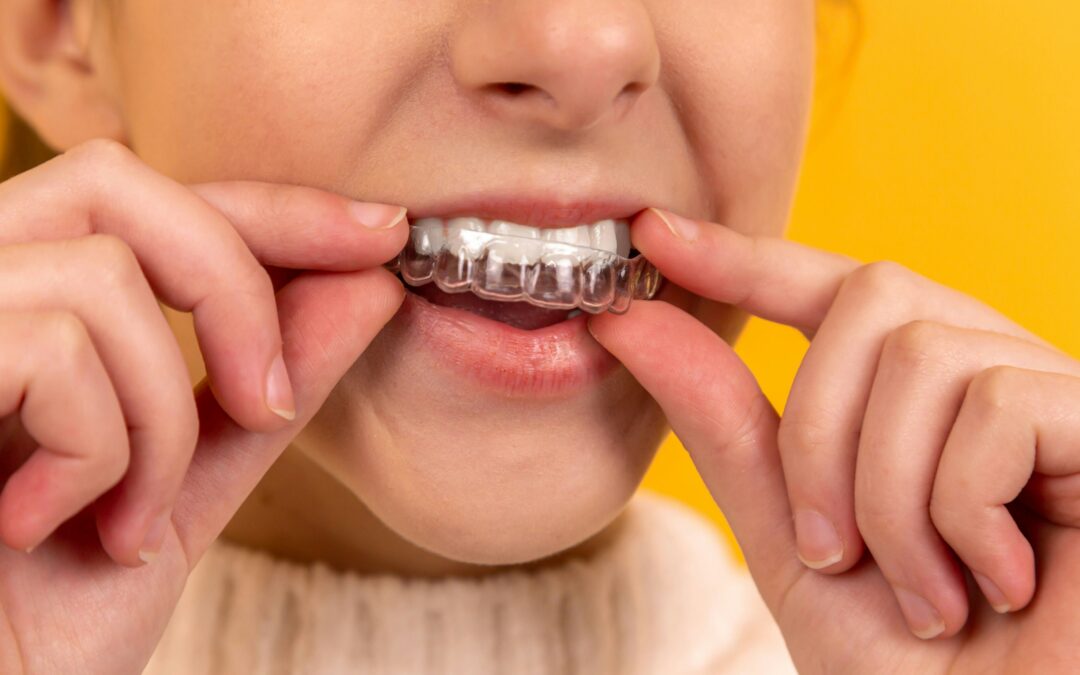
Clear aligners are removable trays that gently move teeth over time. They can work well for some patients who want a less noticeable option, but they are not right for every case. The best choice depends on the type and complexity of tooth movement needed.
3. Early Treatment
Some children may benefit from orthodontic care before all permanent teeth come in. Early treatment can help guide tooth development, manage space, or address certain bite concerns. In other cases, regular monitoring may be better until the teeth and jaw develop further.
Explore more: Best Invisalign Provider in Chandler AZ
How Novelly Family Dentistry and Orthodontics Approaches Orthodontic Care
At Novelly Family Dentistry and Orthodontics, orthodontic care focuses on more than creating straighter teeth. Each patient is evaluated based on their bite, tooth alignment, oral health, age, and individual needs.
Patients can benefit from:
- Personalized Evaluation: Treatment recommendations are based on your specific dental needs.
- Clear Guidance: You can understand whether treatment is needed and which options may be suitable.
- Age-Appropriate Care: Children, teens, and adults may require different approaches and treatment timing.
- Long-Term Focus: Proper alignment, bite function, oral hygiene, and retention are considered together.
For sudden dental pain, swelling, or an injury, an emergency dentist in Chandler may be the right first step before addressing orthodontic concerns.
Conclusion
Orthodontic treatment is not needed simply because teeth are slightly uneven. It may be worth considering when crowding, spacing, bite problems, chewing difficulties, or tooth position affect comfort, oral hygiene, or dental health.
Whether you are considering care for yourself or your child, an orthodontic evaluation can help you understand what is happening and whether treatment is actually necessary. The best approach depends on your dental needs, timing, and long-term goals.
FAQs
1. At what age should a child have an orthodontic evaluation?
Many children can benefit from an evaluation around age 7, particularly when there are concerns about crowding, bite development, or unusual tooth eruption. Timing varies from child to child.
2. Do crooked teeth always require braces?
No. Mild irregularities may not require treatment. Braces or clear aligners may be considered when alignment or bite problems affect function, oral health, comfort, or personal goals.
3. Is orthodontic treatment only for cosmetic reasons?
No. Orthodontic care can also improve bite function, make teeth easier to clean, and address alignment problems that may affect oral health.
4. Is early orthodontic treatment always necessary?
No. An early evaluation does not always mean immediate treatment. Some children benefit from early care, while others may simply need to be monitored as their teeth and jaws develop.
5. How long does orthodontic treatment take?
Treatment time varies according to the complexity of the case, the patient’s response, growth, and the treatment method used. A provider can give a more specific estimate after an examination.


